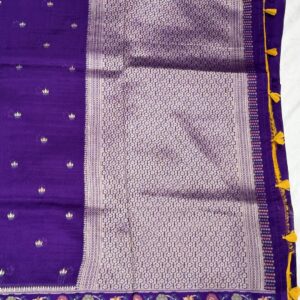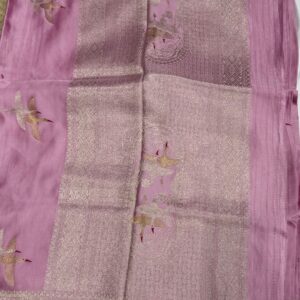
India is a land of vibrant culture, rich heritage, and exquisite textiles — and at the heart of this cultural fabric lies the saree, a timeless piece of clothing that embodies grace, tradition, and elegance. Worn by women across the country for centuries, traditional sarees not only vary in style and weaving techniques but also reflect the identity and craftsmanship of different regions.
🌸 What is a Saree?
A saree is a long piece of cloth, usually between 5 to 9 yards, that is draped around the body in various styles. The beauty of the saree lies in its versatility — it can be simple and elegant for daily wear or richly embroidered and adorned for special occasions.
✨ Popular Traditional Sarees Across India
1. Kanjeevaram (Tamil Nadu)
- Fabric: Pure silk with gold zari work
- Known for: Bright colors, temple borders, and durability
- Occasion: Weddings and festive events
2. Banarasi (Uttar Pradesh)
- Fabric: Silk with brocade or zari work
- Known for: Mughal-inspired designs and heavy gold/silver thread work
- Occasion: Bridal wear and formal celebrations
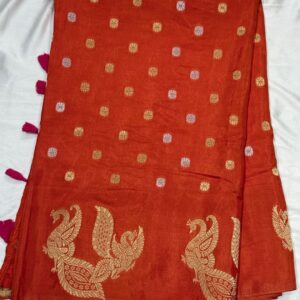
3. Paithani (Maharashtra)
- Fabric: Fine silk with gold thread
- Known for: Peacock motifs and vibrant colors
- Occasion: Weddings, festivals
4. Chanderi (Madhya Pradesh)
- Fabric: Cotton-silk blend
- Known for: Lightweight texture and sheer feel with minimalistic motifs
- Occasion: Daily wear, formal functions
5. Patola (Gujarat)
- Fabric: Double ikat silk
- Known for: Intricate geometric patterns and bright colors
- Occasion: Traditional ceremonies
6. Bandhani (Rajasthan & Gujarat)
- Fabric: Cotton or silk, tie-dye technique
- Known for: Dotted patterns and vibrant hues
- Occasion: Festivals, Navratri
7. Sambalpuri (Odisha)
- Fabric: Handwoven cotton or silk
- Known for: Traditional motifs like shankha (shell), chakra (wheel), and phula (flower)
- Occasion: Cultural events
8. Muga Silk (Assam)
- Fabric: Muga silk, a natural golden-hued silk
- Known for: Lustrous texture and longevity
- Occasion: Special ceremonies and weddings
9. Kasavu (Kerala)
- Fabric: Cotton with gold border
- Known for: White/cream color with golden edges
- Occasion: Onam, weddings, temple visits
🌿 Why Traditional Sarees Matter
Traditional sarees are more than garments — they are woven stories passed through generations. Each weave, motif, and thread carries the legacy of artisans and communities who create them.
- Handloom support: Encourages rural employment and heritage preservation
- Cultural identity: Represents regional uniqueness and customs
- Eco-friendly: Most traditional sarees use natural dyes and handwoven fabrics
👗 Modern Twist to Tradition
Today’s designers are blending tradition with modern aesthetics by experimenting with:
- Saree gowns
- Pre-stitched sarees
- Contemporary blouse styles
- Minimalist drapes for urban women
Despite modern changes, the essence of the traditional saree remains untouched — a celebration of Indian femininity and heritage.
🧵 Conclusion
Traditional sarees are not just clothes — they are living expressions of India’s diverse artistry, pride, and timeless charm. Whether it’s a grand wedding or a cultural festival, wrapping oneself in a saree is like wrapping oneself in history.